Decorative Letters Art
As an embroidery designer and product reviewer, I often find myself evaluating digital designs for real-world use. Decorative Letters Art caught my attention not just for its visual appeal, but for how it translates into actual embroidery projects. This monogram invitation design offers a range of formats—AI, EPS, SVG, JPG, and PNG—making it versatile for various applications. But what does it really bring to the table when stitched onto fabric?
The First Impression: Aesthetic and Purpose
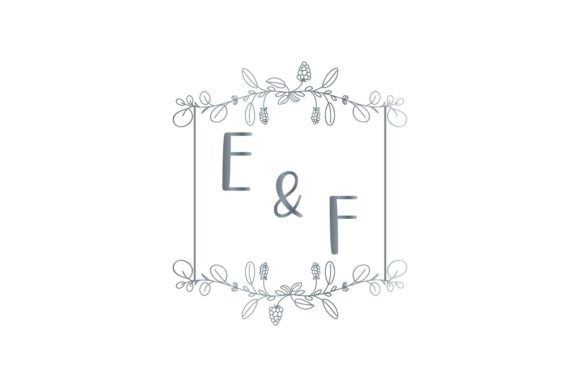
From the moment I opened the files, Decorative Letters Art exuded a sense of elegance and refinement. The design features bold, stylized letters with intricate detailing that suggests a formal or personalized touch. The layout is clean, with a balance between negative space and decorative elements. It’s clear this design was crafted with intention, likely for monograms, invitations, or custom branding.
The theme feels timeless, making it suitable for both traditional and modern settings. Whether used on a baby onesie, a wedding gift, or a boutique product, it carries a sense of sophistication that can elevate any handmade item. The detail level is high enough to stand out but not so dense that it becomes overwhelming. This makes it ideal for embroidery projects where clarity and visual impact are key.
Real-World Embroidery Use Cases
When considering practical use, Decorative Letters Art fits well into custom apparel, tote bags, and embroidered patches. Its 1920px x 1280px canvas size gives it enough resolution for detailed stitching without being overly large. For a sweatshirt or t-shirt, the design would look best on the front or back, where there's ample space to showcase the lettering and embellishments.
For a baby item like a onesie or a blanket, the design adds a personal touch that parents would appreciate. The style is gentle enough for a nursery but still has enough character to make the piece stand out. On a holiday gift, such as a pillow cover or tea towel, it could serve as a meaningful and decorative element that resonates with recipients.
In a craft business or Etsy shop, this design could be a valuable addition to a collection of printable mockups or digital product previews. Its versatility allows it to be adapted for different fabrics and project types, making it a useful asset for creative entrepreneurs.
Where to Be Cautious
Despite its strengths, Decorative Letters Art isn’t without limitations. On small hoop sizes, the design may require splitting or resizing, which could affect the overall appearance. If you’re working with textured fabrics, such as denim or corduroy, the stitch density might need adjustment to ensure the design sits smoothly without puckering.
Thin or stretchy fabrics could also pose challenges. The design’s details might not show up as clearly on dark backgrounds, so testing with different thread colors is essential. For layered garments or curved surfaces like caps, the design might need some tweaking to fit the contours properly.
Additionally, if the design includes tiny lettering or intricate corners, it’s important to check how those elements translate in stitch form. Dense stitch areas could lead to fabric distortion, so using the right stabilizer is crucial. Always test the design on scrap fabric before committing to a final project.
Impact on Visual Appeal and Customer Perception
Decorative Letters Art has the potential to significantly enhance the visual appeal of any finished product. Its clean lines and thoughtful composition make it easy to integrate into a wide range of items. When stitched correctly, it can add a professional touch that elevates the perceived value of a handmade product or commercial embroidery project.
Customers are often drawn to personalized gifts and custom apparel, and this design provides a strong foundation for such items. It encourages brand consistency, especially for small businesses or Etsy sellers looking to maintain a cohesive aesthetic across their offerings. The design also supports giftability, as it can be tailored to suit specific occasions or recipients.
From a marketing perspective, Decorative Letters Art serves as a reliable design asset that can be used in printable mockups, social media posts, or product listings. Its clarity and adaptability make it easy to showcase in different contexts, helping to drive buyer engagement and trust.
Practical Designer Notes
Before using Decorative Letters Art in a real project, I recommend testing it on scrap fabric. This will help you assess how the design looks in stitch form and whether any adjustments are needed. Pay close attention to thread color contrast, especially if you're working with dark or light fabrics. A mismatched color can drastically affect the final result.
Review the stitch density to ensure it aligns with your project’s requirements. If the design is too dense, consider simplifying it or using a different stitch type, such as a running stitch or fill stitch, to avoid fabric distortion. Confirm the hoop size needed for the design and make sure it matches your machine’s capabilities.
Inspect small details carefully, as they can be easily lost during the embroidery process. Test the design in black and white mockups to see how it appears without color. Compare it against both light and dark fabric backgrounds to determine the best presentation. Always use the proper stabilizer to support the design and prevent shifting during stitching.
Finally, confirm whether the design is suitable for both personal and commercial use. Check the licensing terms before selling finished items or digital products. Decorative Letters Art seems to offer flexibility, but it’s always better to verify before proceeding with a project.