Occult Flower Symbol. Decorative Graphics
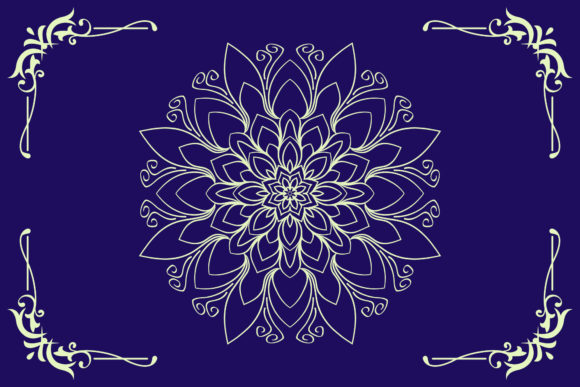
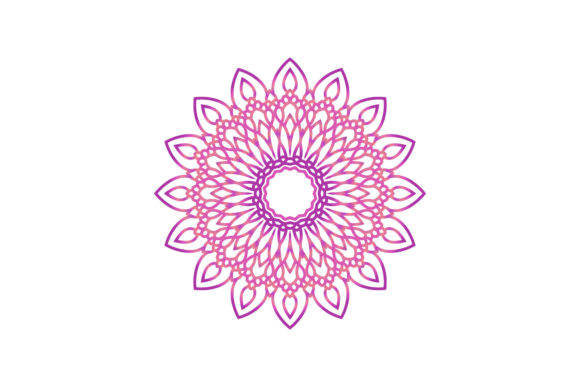
The Occult Flower Symbol. Decorative Spiritu is a striking graphic design asset that brings a unique visual energy to any editorial or web project. With its intricate floral patterns and spiritual undertones, this illustration offers a rich aesthetic that can elevate the tone of content across multiple platforms. Whether used in blog graphics, social media visuals, or digital guides, the Occult Flower Symbol carries an air of mystery and artistic flair that resonates with creative audiences.
First Impressions and Editorial Mood
Upon first glance, the Occult Flower Symbol exudes a bohemian, mystical vibe. The isolated white background allows the design to stand out, making it ideal for clean, modern web design. Its decorative nature suggests a lifestyle, arts, or wellness-focused niche, where aesthetics play a key role in audience engagement. This makes it particularly well-suited for content that blends creativity with spirituality, such as mindfulness blogs, artisanal product pages, or alternative lifestyle publications.
The symbol’s visual complexity adds depth without overwhelming, offering a balance between boldness and elegance. It feels both artistic and professional, making it versatile enough for use in editorial design, content marketing, or even small business branding.
Real-World Publishing Applications
The Occult Flower Symbol can be integrated into a wide range of publishing workflows. As a blog graphic, it works well as a featured image or article header, drawing attention while maintaining a cohesive visual identity. For Pinterest, it serves as an eye-catching pin that stands out in a crowded feed, encouraging clicks and engagement.
In newsletter design, the symbol can act as a header or divider, adding a touch of sophistication to email campaigns. As a lead magnet or downloadable printable, it enhances the perceived value of content upgrades, making them more appealing to subscribers. In Canva templates, it provides a ready-made visual element that users can customize for their own projects.
For affiliate marketing, the symbol can be used in social media graphics or ad creatives, helping to build brand recognition and trust. In digital guides or worksheets, it adds a decorative yet functional element that enhances readability and visual appeal.
Supporting Content Performance
Using the Occult Flower Symbol in content publishing can significantly improve the overall performance of a website or blog. Its strong visual presence helps create a stronger first impression, which is crucial in today’s fast-paced online environment. A well-designed graphic can increase click-through rates by making content more visually engaging and easier to scan.
The symbol also contributes to better visual hierarchy, guiding readers’ eyes through a page and reinforcing key messages. When used consistently, it strengthens brand identity, making content more recognizable and trustworthy. This is especially important for small businesses or independent publishers looking to build a loyal audience.
Additionally, the Occult Flower Symbol supports improved category recognition, helping readers quickly identify the theme or focus of a post. Its decorative nature also adds a layer of professionalism, making content look more polished and credible.
Where It Works Best
This graphic design asset shines in hero images, article thumbnails, and Pinterest pins, where visual impact is key. It also works well as a blog graphic or editorial accent, adding a touch of artistry to otherwise simple layouts. In content upgrades, downloadable resources, or category visuals, it enhances the user experience by providing a consistent and attractive design language.
As a newsletter header or social media preview, the Occult Flower Symbol creates a memorable visual that reinforces brand messaging. It’s especially effective when paired with minimal text, allowing the design to take center stage.
Where to Use It Carefully
While the Occult Flower Symbol is versatile, it may not be suitable for every context. On small mobile thumbnails, its intricate details might get lost, reducing its effectiveness. In text-heavy blog images, it could distract from the main message, so it should be used sparingly.
On low-contrast backgrounds or in busy layouts, the symbol may not stand out as intended. For serious professional niches or corporate content, its decorative style might feel out of place. Websites with a very minimal visual system may also find it too bold or complex.
Publisher Notes and Practical Tips
Before using the Occult Flower Symbol in real content publishing, test it on desktop and mobile screens to ensure it scales well. Check how it looks as a thumbnail, and preview it within a real blog layout to see how it interacts with other elements.
Test the symbol with headline text to ensure it complements the typography. Check contrast and readability, especially if it will be used in dark mode or on different background colors. Try it in black and white to assess its versatility.
Place it beside different font styles—serif, sans serif, script, handwritten, and display—to see how it integrates with various typefaces. Review file size for web performance, and compress images properly to maintain fast load times.
Finally, confirm commercial licensing before using it on monetized websites, affiliate pages, or paid content products. Ensure it aligns with your brand’s visual direction and content strategy.
Conclusion: A Versatile Design Asset for Creative Publishers
The Occult Flower Symbol. Decorative Spiritu is a powerful graphic design asset that can enhance the visual quality of a wide range of content. Whether used in blog graphics, editorial design, or social media visuals, it adds a touch of artistic flair that can elevate the overall presentation of a website or publication.
By incorporating this illustration into your publishing workflow, you can create more engaging, professional-looking content that resonates with your audience. From lead magnets to digital guides, the Occult Flower Symbol offers a flexible solution for creative designers, content marketers, and small business owners looking to strengthen their visual identity and content performance.